The Quiet Work of Bees: Honey, Hedgerows & the Irish Landscape
Where Taste Begins, is a Good Food Ireland® series exploring the stories behind Ireland’s most authentic food and drink experiences. Meet the farmers, fishers, producers and makers whose passion, skill and connection to place create unforgettable tastes and experiences.
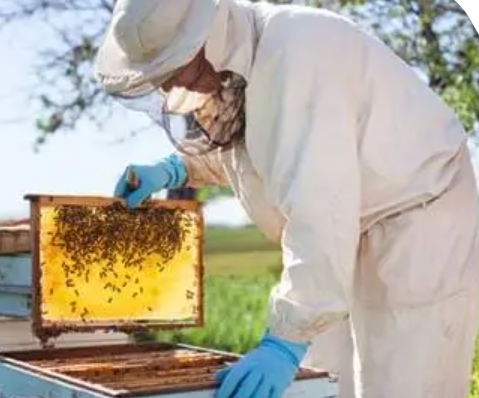
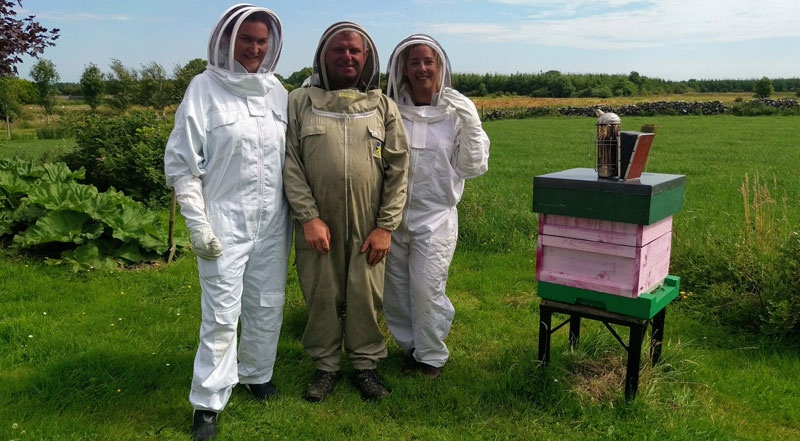
On the Galway side of the Sliabh Aughty Mountains, amid old farmyards, natural pastures, abundant hedgerows and heathlands, Noel Leahy’s Bees do their quiet work to the drum beat of the seasons. Noel’s family have kept bees on this mountain for four generations and now his daughter has joined him making it five.
Beekeeping has been an important industry in Ireland for centuries, providing honey for food and medicine as well as wax for candles. The Brehan laws of the Celts had five pages dedicated to its practice alone. Ireland even has a patron saint of bees and beekeeping, St. Gobnait. Older generations revered the bees as special pollinators and food givers. Today, younger generations have a renewed devotion to protecting the bees as well as other species in this time of biodiversity loss. Our native honeybee, the Black Bee, is at risk from imported honeybees through potential hybridisation and disease. They also, like all pollinators, are struggling with habitat loss due to intensive farming and pesticide use.
That’s what makes beekeepers like the Leahys so important. Noel’s family only keeps native Irish honeybees. These bees are perfectly adapted to our changeable weather and the flowering plants of this island. They play a vital role in our agriculture, pollinating crops from apples and berries to rapeseed and clover. Eighty percent of the food we eat depends on their busy work. Noel and his family practice eco-beekeeping, working with nature, allowing the bees to do their own thing with minimal interference. He lets them find their own forage as he’s lucky to live in area where no fertilizers or pesticides are used. There’s no intensive farming just natural pastures and old site farms, the perfect environment for bees. His grandfather used to say that all you needed was clean water, air, and soil and thankfully Noel’s bees have that in abundance.
A beekeeper’s year begins with the first blooms of the season through observation and attention to signals from the bees themselves. Each year is different and you can taste that in the honey. Like wine vintages, the honey’s flavour depends on all the elements of that particular season. Each flowering plant the bees forage from produces its sweetest nectar at a unique temperature. So, the flavour of each year’s honey depends on the weather and which flowers thrived. Even in the same year, from hive to hive, the flavour and colour vary depending on where the bees chose to forage. Native honeybees know the best time to visit each flower throughout the year to gather nectar and pollen for the hive and the honey.
In spring, the first surge of pollen comes from the dandelions bursting into yellow clusters across the Irish countryside. This signals the queen to start laying eggs, knowing there will be enough food to feed her babies. The bees head out in droves to collect the all-important pollen to be mixed with honey to make their bee bread to feed the growing young.
When May comes around and the Whitethorn, also known as Hawthorne, comes into bloom, the bees wait, hoping for the perfect temperature of 20 degrees to occur so they can collect the sweetest nectar. This only happens every three to four years as a 20-degree day in May can be rare. But when it does, the bees know without the aid of any thermometer. And if you happen to be walking a country road at this time, you’ll know too. There will be bees everywhere, covering these thorny shrubs. Each bee visiting up to one hundred individual blooms spreading the pollen and collecting the nectar. You will also know when a tree has been pollinated as the blooms turn a perfect pale pink. This means a good year, not just for the bees but also for the Song Thrushes and Redwings that feed on their berries. The honey the bees make from the Whitethorn is special, full of the scent and flavour of an Irish springtime. Noel knows the minute he checks the honey whether they’ve captured that moment in time from the delicate floral aroma.
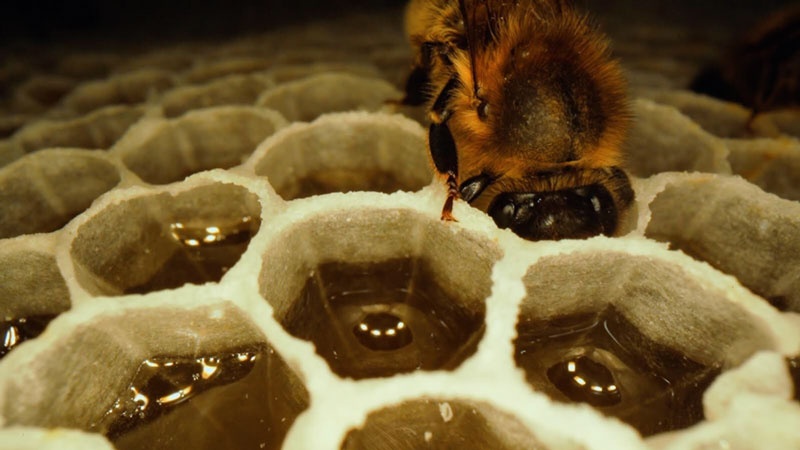
This same process happens throughout the season with each flower in turn. Flying for miles to the golden flowers of Gorse, the white blooms of Blackberry, the firework clusters of Elderflower, and the tufts of White Clover, each adding their distinctive character to the honey. While the bees do their work, so does the beekeeper. The Leahys take collections of honey and beeswax up to three times a year always leaving plenty for the bees themselves. They package their honeys raw and unpasteurised, still cloudy with pollen and propolis, preserving the essence of the flowers of the Sliabh Aughty Mountains. Raw honey is known for its many health benefits with its high levels of antioxidants and healing properties. The wax is made into candles and skincare products that carry these same health benefits. Noel also shares his knowledge and his love of his Bees through the Bee Tours he offers.
In deep summer, July and August, the Leahys bring a portion of their beehives up to the where the heather blooms. Where there are still small numbers of sheep and cattle grazing peacefully to keep the heather healthy with new growth. The bees set to work collecting this special nectar. Heather honey carries the flavour of the heath with it, woody, earthy and rich, this thick amber honey brings health benefits similar in strength to Manuka. As it ages, it’s distinctive smoky toffee flavours strengthen.
Each collection of honey throughout the year is unique. Thick with glucose in the spring for building up the hives population. In summer, higher in fructose, thin and bright in this time of abundance. And rich with glucose again in Autumn when the ivy is in bloom for fattening up the bees to keep them warm in their winter shelter. With the end of the Ivy’s bloom, the bees and the beekeeper’s year is complete. Winter is a time of rest and waiting for spring.
Experience Ireland through the eyes of a beekeeper with a Good Food Ireland® Beekeeping Tour.
Discover more stories from the people, places and producers behind Good Food Ireland® Experiences.